

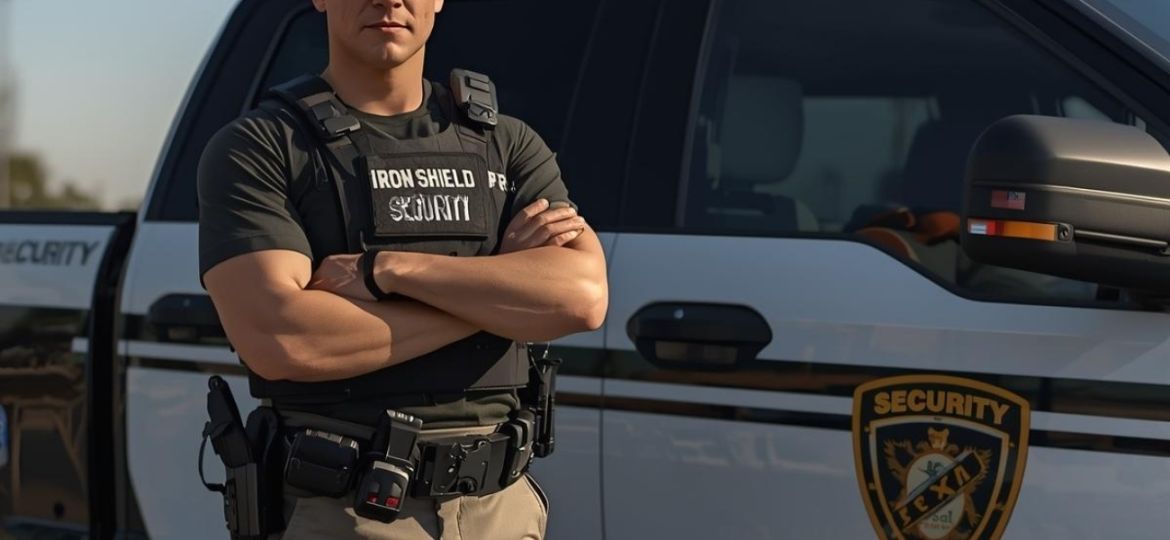
Hospital security services in the United States provide specialized protection for healthcare facilities, patients, staff, and visitors. Hospitals operate 24 hours a day, seven days a week, and serve diverse populations under stressful and emotionally charged circumstances. This makes hospitals uniquely challenging environments that require a calm, professional, and highly controlled security presence.
From emergency rooms and inpatient units to outpatient clinics and medical campuses, hospital security services are essential for maintaining safety, order, and continuity of care. By combining trained security officers, access control, surveillance, emergency response, and de-escalation techniques, these services help healthcare facilities operate safely and efficiently without disrupting patient care.
What Are Hospital Security Services?
Hospital security services are specialized security solutions designed specifically for healthcare environments. These services focus on protecting patients, medical staff, visitors, equipment, medications, and sensitive information while supporting a peaceful and healing atmosphere.
Unlike traditional commercial security, hospital security requires officers to interact frequently with patients and families who may be under emotional stress. Security officers must balance enforcement with empathy, professionalism, and discretion at all times.
Why Hospital Security Services Are Essential in the USA
Hospitals in the United States face a wide range of security challenges, including workplace violence, unauthorized access, theft of medications or equipment, patient disputes, and emergency situations. Emergency departments, behavioral health units, and high-traffic public areas are especially vulnerable.
Hospital security services are essential because they help prevent incidents, manage crises, and ensure the safety of everyone within the facility. A professional security presence reduces risk, enhances trust, and allows medical professionals to focus on patient care.
Key Responsibilities of Hospital Security Officers
Hospital security officers perform a wide range of duties that support safety, compliance, and daily operations. Their responsibilities typically include:
-
Monitoring hospital entrances and exits
-
Managing access control for staff, patients, and visitors
-
Verifying identification and visitor credentials
-
Conducting foot patrols throughout hospital units
-
Monitoring public areas such as waiting rooms and lobbies
-
Responding to emergencies and disturbances
-
Assisting medical staff during high-risk situations
-
Supporting patient transport and safety
-
Monitoring CCTV and surveillance systems
-
Coordinating with law enforcement and emergency responders
-
Completing detailed incident and activity reports
These responsibilities ensure continuous protection across all areas of the hospital.
Access Control and Visitor Management in Hospitals
Access control is a critical component of hospital security services. Hospitals have multiple access points, restricted areas, and sensitive departments that require controlled entry.
Security officers manage visitor check-ins, issue badges, and ensure only authorized individuals access patient care areas, operating rooms, pharmacies, and staff-only zones. Effective access control protects patient privacy and enhances safety.
Emergency Department and High-Risk Area Security
Emergency departments are among the most challenging areas in healthcare facilities. High stress, long wait times, and medical emergencies can lead to heightened emotions and aggressive behavior.
Hospital security services provide dedicated coverage in emergency departments to manage crowd control, de-escalate conflicts, and respond quickly to incidents. Their presence ensures safety for staff and patients during critical moments.
De-Escalation and Crisis Intervention
A defining feature of hospital security services is advanced training in de-escalation and crisis intervention. Security officers are trained to handle aggressive, distressed, or emotionally unstable individuals calmly and professionally.
De-escalation techniques help resolve conflicts without physical force, reducing the risk of injury and maintaining a therapeutic environment.
Protection of Healthcare Staff
Healthcare workers face increasing risks of verbal and physical aggression. Hospital security services play a vital role in protecting doctors, nurses, technicians, and support staff.
Security officers assist during confrontations, respond to threats, and provide reassurance to staff. Their presence improves workplace safety and staff morale.
Patient Safety and Support
Patient safety is at the core of hospital security services. Security officers help protect vulnerable patients, including children, elderly individuals, and those with mental health conditions.
Officers may assist with patient monitoring, transport, and ensuring compliance with hospital safety policies, all while maintaining dignity and respect.
Hospital Security During Medical Emergencies
Hospitals frequently experience medical emergencies that require rapid coordination. Hospital security officers support emergency response by managing crowds, securing access routes, and assisting medical teams.
Their role ensures that emergency care is delivered without interference or delay.
Infant and Pediatric Security
Infant and pediatric security is a specialized area within hospital security services. Maternity wards and pediatric units require strict access control and monitoring.
Security officers help prevent unauthorized access and support protocols designed to protect infants and children at all times.
Pharmaceutical and Medical Equipment Security
Hospitals store valuable medications, controlled substances, and medical equipment. Hospital security services help prevent theft, diversion, and tampering.
Security officers monitor pharmacy areas, storage rooms, and delivery points to protect critical resources.
Mental Health and Behavioral Unit Security
Behavioral health units require specialized security approaches due to the nature of patient care. Hospital security officers receive training specific to mental health environments.
Their focus is on safety, de-escalation, and supporting clinical staff while maintaining patient dignity.
Hospital Patrol Services
Hospital security services include regular foot patrols throughout patient units, corridors, stairwells, parking structures, and exterior areas.
Patrols help identify safety hazards, deter unauthorized activity, and ensure quick response to incidents.
Parking Lot and Exterior Security
Hospital parking areas are often busy and operate around the clock. Hospital security services include monitoring and patrolling parking lots and garages.
Visible security presence improves safety for patients, visitors, and staff during arrivals and departures.
CCTV Monitoring and Surveillance in Hospitals
CCTV monitoring is an important tool in hospital security services. Surveillance systems provide real-time visibility across public areas, entrances, and restricted zones.
Security officers monitor camera feeds to detect threats, support investigations, and ensure compliance with hospital policies.
Compliance with Healthcare Regulations
Hospital security services must align with healthcare regulations, privacy laws, and accreditation standards. Security officers are trained to respect patient confidentiality and comply with HIPAA requirements.
Professional security providers ensure compliance through training, policies, and supervision.
Hospital Security During Disasters and Evacuations
Hospitals must be prepared for disasters such as fires, natural disasters, or mass casualty events. Hospital security services support evacuation planning and emergency coordination.
Security officers help manage movement, secure facilities, and support emergency responders during large-scale incidents.
Training and Qualifications of Hospital Security Officers
Hospital security officers in the USA receive specialized training tailored to healthcare environments. Training typically includes:
-
De-escalation and crisis intervention
-
Patient interaction and communication
-
Emergency response procedures
-
Behavioral health awareness
-
Legal responsibilities and use-of-force guidelines
-
HIPAA and healthcare compliance
-
Incident documentation and reporting
Ongoing training ensures professionalism and readiness.
Professionalism and Compassion in Hospital Security
Hospital security officers must demonstrate professionalism, empathy, and patience. Their conduct directly impacts patient experience and public perception.
A calm and respectful security presence contributes to a healing and supportive environment.
Use of Technology in Hospital Security Services
Modern hospital security services integrate technology to enhance safety and efficiency, including:
-
CCTV and video analytics
-
Access control systems
-
Alarm and panic button systems
-
Communication and dispatch platforms
-
Digital incident reporting tools
Technology supports proactive security management.
Hospital Security vs. General Commercial Security
Hospital security services differ significantly from general commercial security due to the sensitivity of healthcare environments.
Hospital security focuses more on de-escalation, patient interaction, and compliance rather than enforcement alone.
Benefits of Hospital Security Services in the United States
Professional hospital security services offer numerous benefits, including:
-
Enhanced patient and visitor safety
-
Protection of healthcare staff
-
Reduced workplace violence
-
Improved emergency response
-
Compliance with healthcare regulations
-
Protection of medications and equipment
-
Uninterrupted medical operations
-
Improved patient confidence and trust
These benefits are essential to quality healthcare delivery.
Customization of Hospital Security Services
Every healthcare facility has unique needs based on size, services offered, and patient population. Professional security providers customize hospital security services accordingly.
Customization ensures effective protection without interfering with patient care.
Coordination with Hospital Administration
Hospital security officers work closely with hospital administrators, clinical staff, and facility managers. Clear communication ensures consistent enforcement of policies and effective incident response.
This coordination supports smooth hospital operations.
Why Choose Professional Hospital Security Services?
Professional security providers bring healthcare-specific expertise, trained personnel, and proven protocols to hospital security operations.
They understand the importance of safety, compassion, and compliance in healthcare settings.
Future of Hospital Security Services in the USA
As healthcare environments evolve, hospital security services continue to adapt. Increased focus on workplace violence prevention, technology integration, and behavioral health support are shaping the future of hospital security.
Hospital security will remain a critical component of safe and effective healthcare delivery.
Conclusion
Hospital security services in the United States provide specialized protection for healthcare facilities, patients, staff, and visitors. Through trained security officers, access control, surveillance, de-escalation, and emergency response, these services create safe, controlled, and supportive healthcare environments.
By enhancing patient safety, protecting medical staff, and supporting uninterrupted operations, professional hospital security services play a vital role in modern healthcare. For hospitals seeking reliable, compliant, and compassionate security solutions, hospital security services remain a trusted and indispensable choice across the USA.
